
Obviously, there are independent filmmakers who still come up via the horror genre, and if they’re lucky they might get a Marvel movie. Back in the 60s and 70s you would come up in the Corman school and get a chance to do more interesting stuff along the way. Do you think that freedom to experiment within commercial constraints made a difference in how the filmmakers develop?
Sorry, I really don’t have an answer to this question. It’s all different nowadays because everything is digital, which means that results that were very difficult in my day are now common practice.
I know that very early in your career—after Spider Baby but before Coffy and Foxy Brown, you did a lot of work on various Corman productions that were kind of patchwork films. What was the biggest lesson you learned from having a selection of footage that you had to fill out by shooting on a tiny budget to fill it out?
The only lesson I can think of is that finding ways to overcome difficulties resulted, in my case, with being careful not to create such difficulties in the first place.
What do you think of the term “Blaxploitation”?
It’s an unfortunate term most likely invented by somebody in that trade papers. It didn’t exist when I was working. Everybody used the term “black pictures”, which was demeaning, and unfortunately stuck onto me when I tried to get more mainline projects to direct.
What do you think the legacy of Blaxploitation films is?
Very important, wasn’t until the box-office success of films like mine demonstrated that there was a cross-over audience that was interested in black characters and lifestyles as subject matters. When my film Coffy for example knocked a James Bond picture (Live and Let Die) off the top spot in the grosses for one week, it sent a message that was noticed. From then on, black characters and lifestyles became more and more included in mainstream films. Today, I feel grateful that I was allowed to help bring that about.
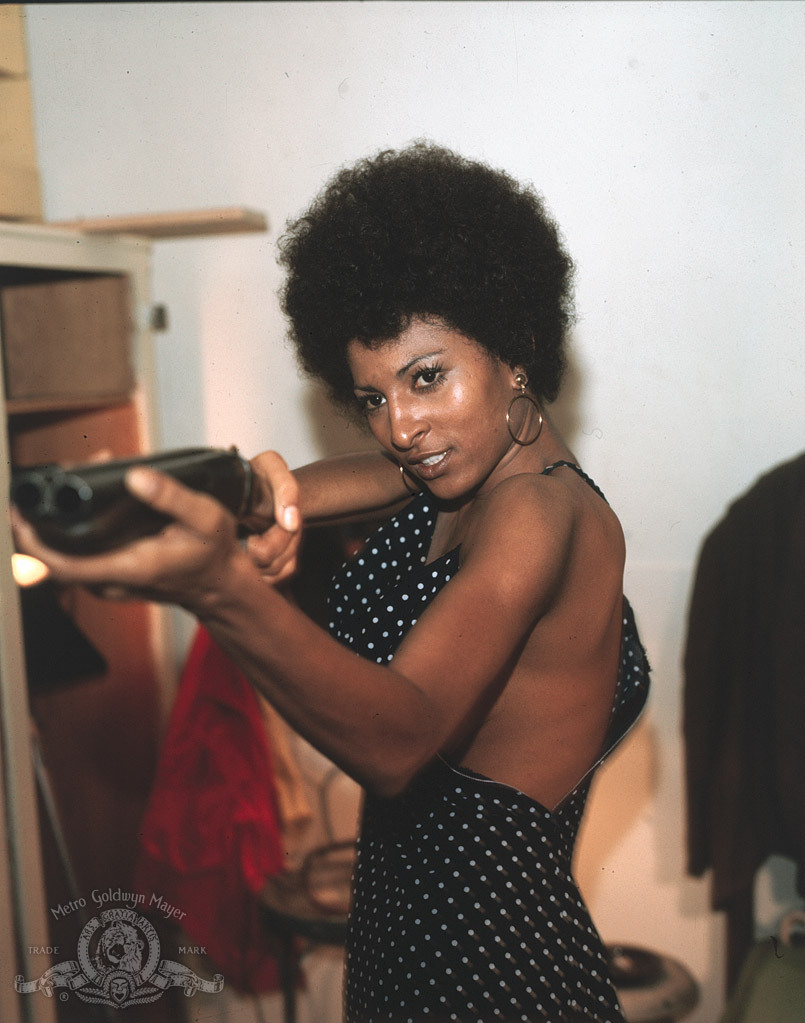
How was your first audition with Pam Grier like –did you know from the get-go that she would be a big star in that world?
She just came in on a casting call for The Big Doll House. Virtually no experience, no expectations, just impressed me as someone having what we used to call “authority”— meaning that when she’s onscreen the audience will look at her. I didn’t know that Corman had approved her for the role until she got off the plane in Manila. The rest is history.
Do you have a favourite film from the Blaxploitation era, one that you would like to recommend to people who want to explore the genre more?
Not really. Fact is, I really didn’t see any of the other black pictures at the time except for Super Fly, which greatly impressed me.
You are known for films with very strong female characters that are also complicated. Do you think what you were doing them was more progressive than what you see in some of the female-fronted action movies that are being done today?
I have no idea, only that if progressive means that it had not been done much earlier, then so be it.
What do you think was the greatest failure affecting other films within the genre?
I have no idea.
What is your favourite among your own films (if you have one)?
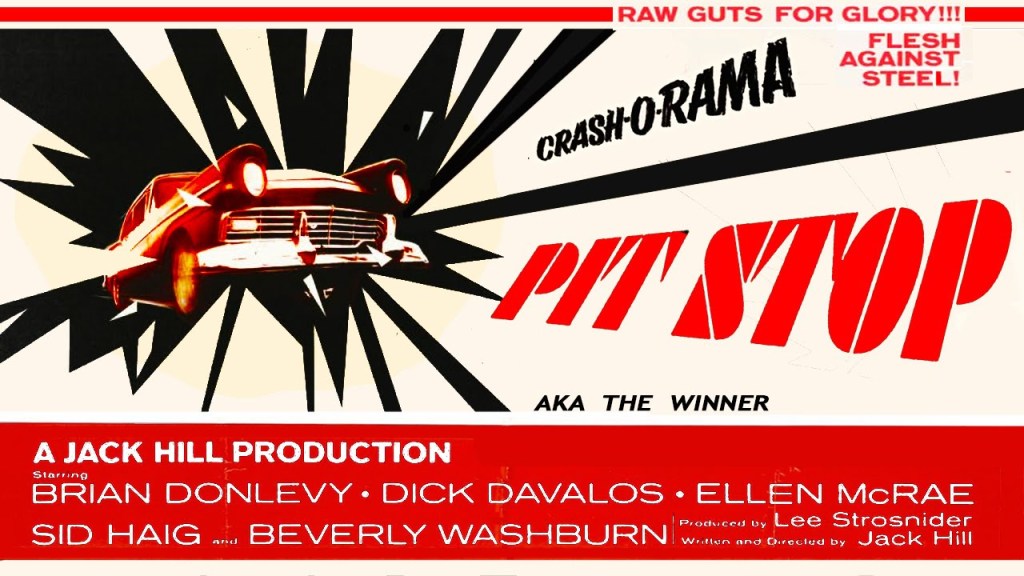
Difficult to say. Cross between Pit Stop and The Swinging Cheerleaders as extremes.
Why do you think this genre came to a gradual stop by the end of the 1970s?
No longer needed. There were plenty of black characters and lifestyles appearing in mainstream films by that time.
I was looking at your IMDB page, and I’m always intrigued by unmade films. There’s one listed called Julie McGriff’s Difficult World of Sex with Sheryl Lee. What happened with that project?
An excellent script. Sheryl loved it. Couldn’t get financing, partly due to having a talented writer with no experience is one of the realities of the film business.
One of your greatest films is Spider Baby. Around the time this interview will be coming out, there is a remake of Spider Baby that you are an executive producer on arriving. What do you think about the film?
Sorry to say, I haven’t seen the finished film. Had little to do with the development of the screenplay. Not for me to second-guess a producer-director with so many films under his belt. What do I know about movies?
The vast majority of Jack Hil’s films are available in beautifully restored Blu-Rays from Arrow Video.


